As we reflect on the story of Passover and its themes of freedom and resilience, we are reminded of the lasting power of this history to educate, inspire, and guide future generations.
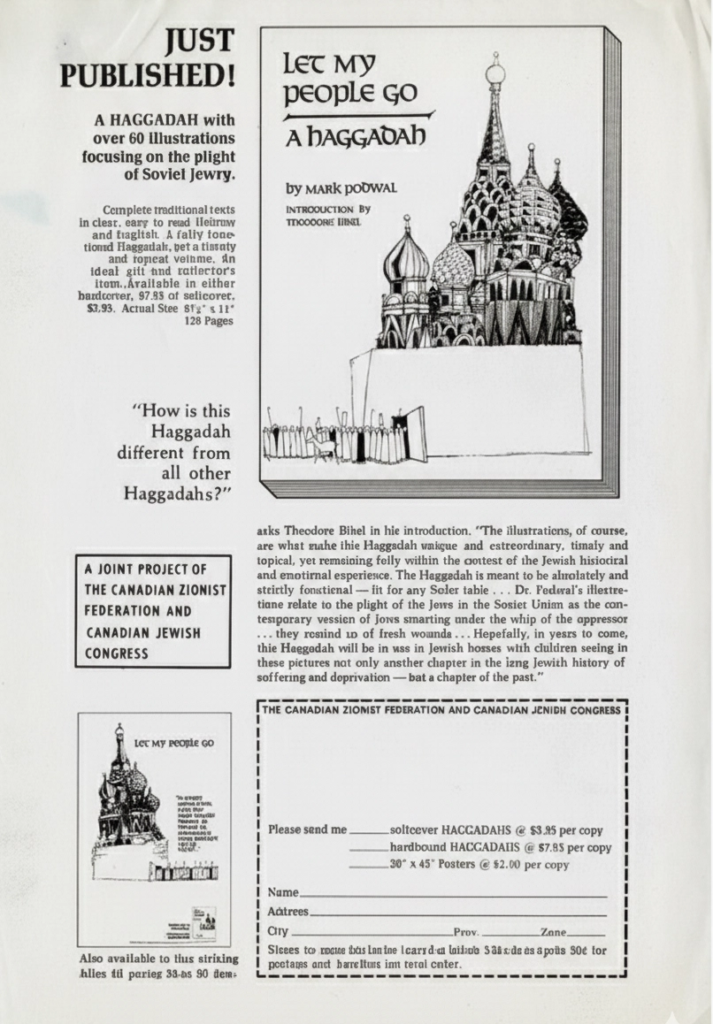
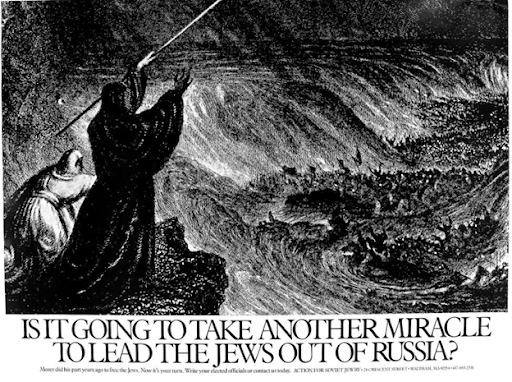
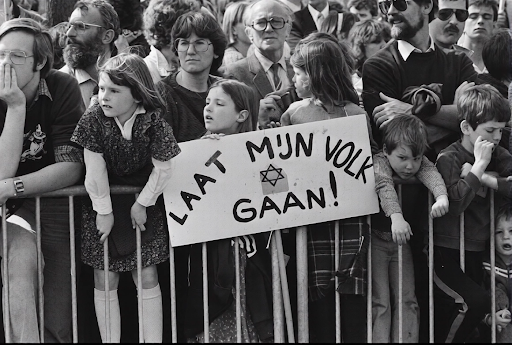
When Jacob Birnbaum first insisted that the phrase “Let My People Go” be used as a central slogan of the Soviet Jewry movement at an SSSJ rally on May 1, 1964, no one could have imagined how powerful the movement would become or how ubiquitous the slogan would become in the cause.
In political advocacy, a slogan succeeds when it compresses a moral argument into a few words. “Let My People Go” did precisely that:
Thank you, as always, for being part of this important work.
If you have any questions or suggestions, please do not hesitate to be in touch.
If this history moves you the way it moves us, consider making a gift to help us preserve and teach it. Support SJMEP this Passover season.
Chag Same’ach! Happy Passover!
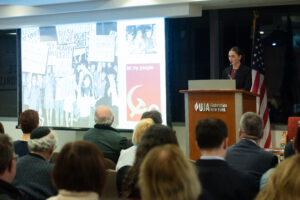
On March 4, our organization launched in New York with an evening of learning and community, highlighting this powerful history and its relevance today. The program was emceed by Tessa Veksler and included a keynote presentation by Izabella Tabarovsky, followed by a panel discussion with leaders from our partner organizations, and comments by Leo Slepak and Jessica Katz.
We are grateful to our partners—UJA-Federation of New York, Club Z, COJECO, iMishpacha, Jewish Parent Academy, and Nash Dom—and to all who support our mission. Together, we are building on this legacy to educate, empower, and inspire the next generation.
Share this story with someone who should know it!
Ask Natan
We are proud to announce the soft launch of Ask Natan — a first-of-its-kind AI chatbot that lets you converse directly with the story of Natan Sharansky.
Type a question. Get an answer — rooted entirely in the historical records and writings of Natan Sharansky, curated by SJMEP from archives around the world. Ask Natan brings his journey as a refusenik, his human rights advocacy, and his fight against Soviet oppression to life in a way that has never been done before. Recommended for ages 12 and up, Ask Natan is ideal for students, educators, and history enthusiasts alike. You can find it here.
Adelson Family Foundation
The Adelson Family Foundation has awarded SJMEP a generous grant in support of our work. This gift will fund the digitization and translation of documents archived at the National Library of Israel relating to Sharansky’s trial, his years of imprisonment, and the remarkable international campaign that secured his release.
Individual donors like you make this work possible alongside institutional support. Make a gift today.
Cleveland Trip
In January, Simon traveled to Cleveland to meet with educators, community leaders, and institutions as part of our ongoing educational efforts. These conversations, facilitated by SJMEP board member Eti Ganin, highlighted the vital role that educators play in sharing the history of the Soviet Jewry movement for generations to come. We are grateful for the opportunity to be part of this important work and to help bring these stories to life for new generations, and we look forward to launching Cleveland as a pilot community in the coming months.